
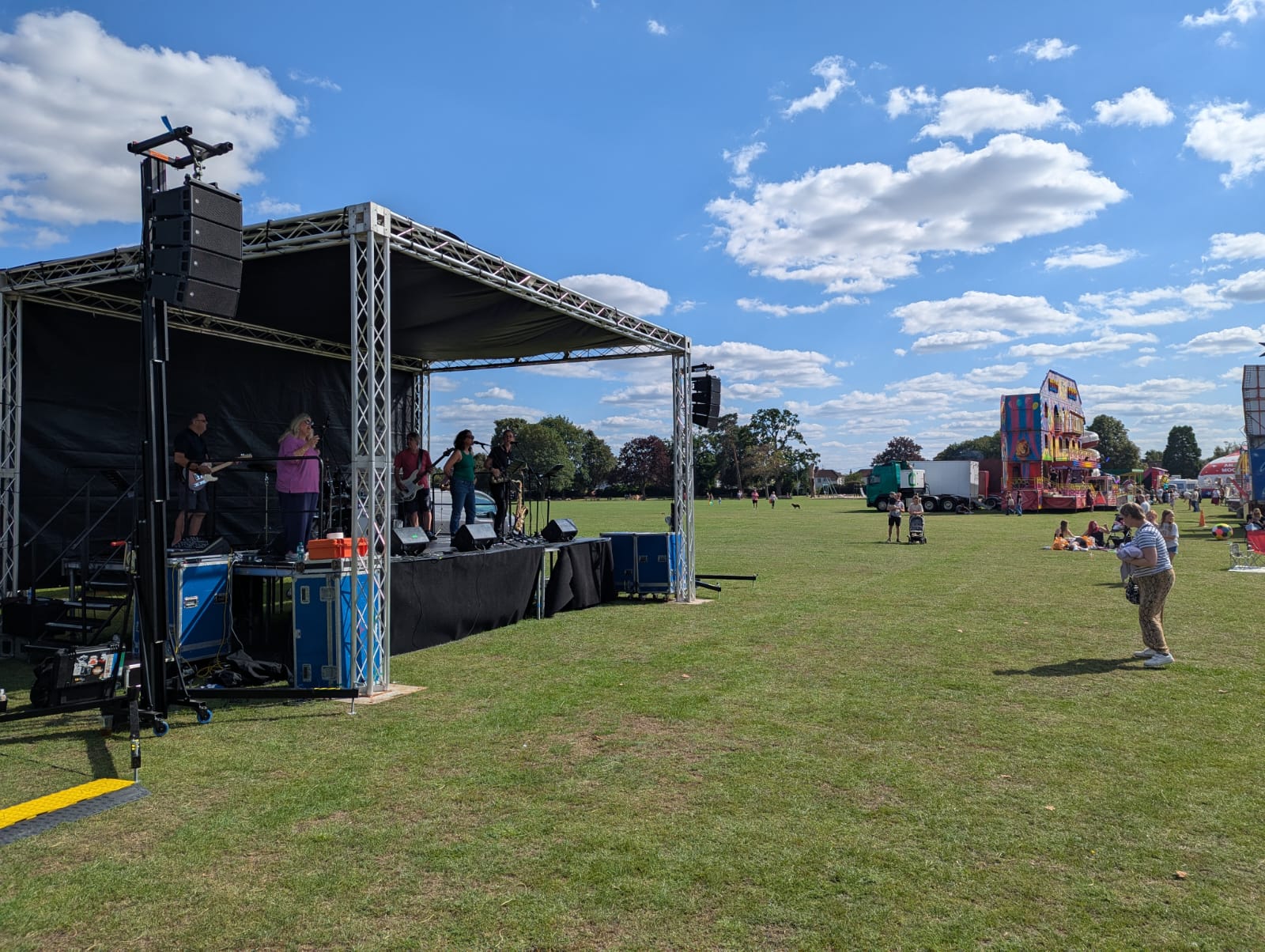
AV Events works to reduce the environmental impact of our events and operations through energy-efficient equipment, renewable power at our facilities, responsible waste management, and practical innovation. Our sustainability practices are reviewed annually and continue to evolve as technology and industry standards develop.
Sustainability Policy
Live events do have an environmental impact. That’s simply part of moving equipment, powering spaces, and building temporary environments for a short period of time.
At AV Events, we try to make considered, practical choices that reduce our impact wherever it’s realistic to do so. Our approach is based in continuous improvement rather than one-off initiatives. We try to invest in the right equipment, maintain it properly, plan carefully, and look for ways we can genuinely make a difference over time.

Equipment and technology
One of the most straightforward ways to reduce environmental impact in event production is through the equipment itself. We prioritise low-wattage LED lighting across our installations. It consumes significantly less power than older lighting technologies and produces less waste heat, while still delivering the production quality clients expect. The same thinking applies to our video systems, where we focus on buying equipment that is efficient and that will last.
Where appropriate, we use battery-powered and solar-charged equipment, particularly in outdoor or sensitive locations where reducing generator use can lower noise, fuel consumption and emissions.
Because we own and maintain our equipment in-house, we’re able to extend its working life. Well-looked-after kit lasts longer, performs better, and avoids unnecessary replacement cycles. That, in itself, reduces waste.
Power and facilities
At our workshop and storage unit, rechargeable equipment (including tools, work lights and material-handling equipment) is charged using our on-site solar setup. It’s a practical way to reduce reliance on grid electricity in our day-to-day operations.
On live events, we look carefully at power distribution and load requirements and use low-energy systems wherever they make sense. Sometimes that’s as simple as specifying the right equipment for the scale of the job. Sometimes it involves battery-based systems that reduce infrastructure and fuel use altogether.
The details vary from event to event, but the principle remains the same: use what’s needed, not more than that.


Waste and materials
Temporary environments inevitably generate some waste, but we aim to handle materials responsibly and minimise unnecessary disposal.
Wherever possible:
- Packaging from new equipment is recycled
- Operational waste is separated and recycled
- Scrap wood from workshop builds is sent to wood recycling rather than landfill
Transport and logistics
Transport is a necessary part of event production, particularly when supporting events across London, the South East and nationally. The way journeys are planned, however, can have a meaningful impact.
We operate an electric company vehicle within our fleet and plan routing carefully to reduce unnecessary trips and mileage. Scheduling installations and collections efficiently helps limit our fuel use while keeping your event running smoothly.


Innovation and ongoing improvement
We regularly explore new ways to apply existing technology in more efficient ways – whether that’s wireless systems that reduce cabling and infrastructure, battery solutions that lower power requirements, or smarter signal distribution.
Our sustainability practices are reviewed annually as part of our wider environmental policy, ensuring they remain realistic and aligned with current standards.
Working with clients and partners
The most effective sustainability decisions are usually made at the planning stage. We’re always open to conversations about right-sizing equipment, selecting lower-energy options where appropriate, and identifying practical alternatives that reduce environmental impact without compromising the event itself.
We’re always happy to discuss sustainability considerations as part of the event planning process.